
What Is Clawdbot (Moltbot) and Why It Is Going Viral
What Is Clawdbot (Moltbot) and Why It Is Going Viral
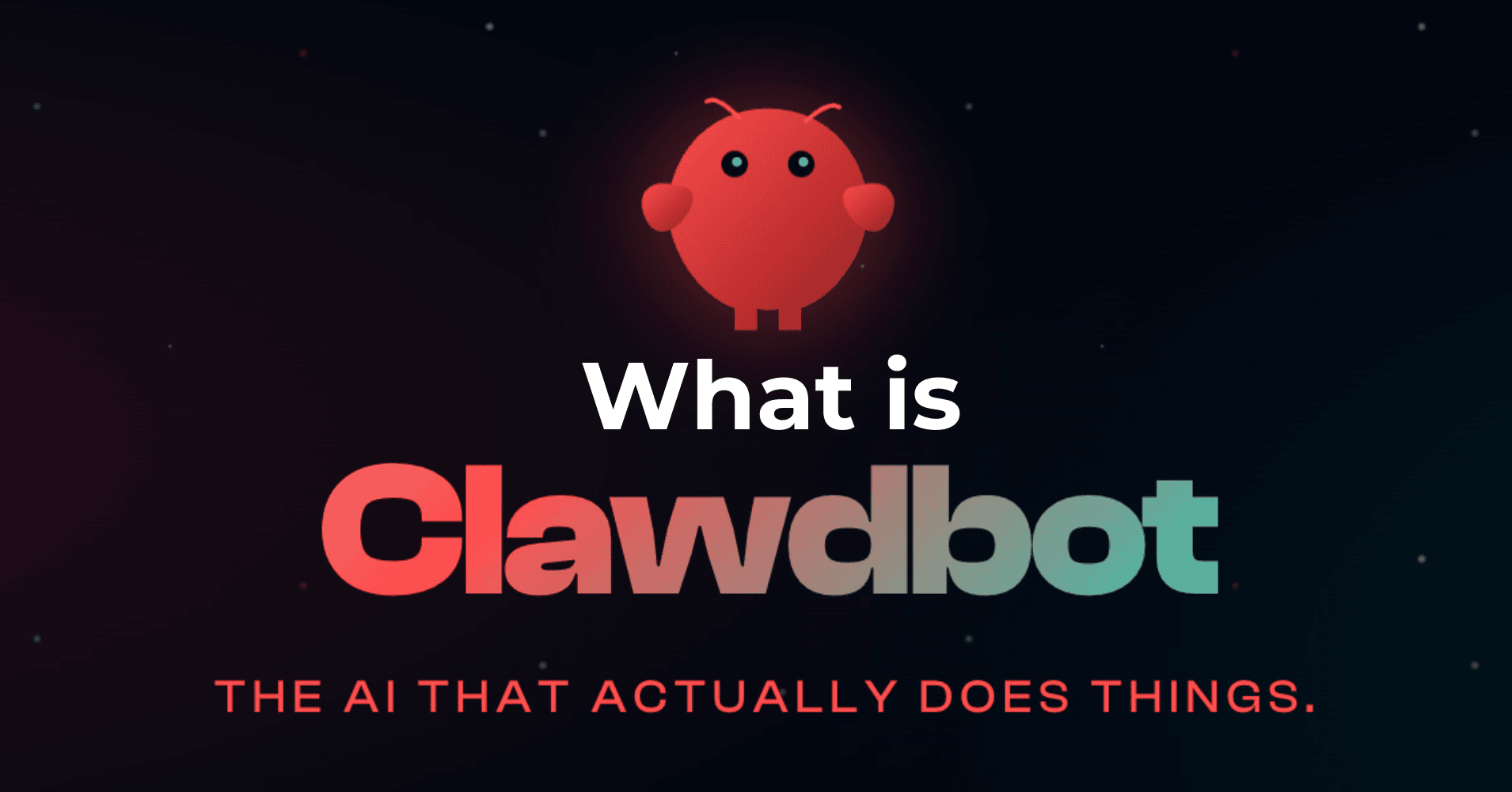
If you have been spending time in developer communities, AI circles on X, or startup-focused forums, you may have noticed one name appearing again and again: clawdbot.
Also known as moltbot, clawdbot is quickly becoming one of the most talked-about autonomous agents today. Developers are sharing experiments, founders are testing it as a digital worker, and the broader AI community is debating whether tools like this represent the future of software automation.
So what exactly is clawdbot, how does it work, and why is it suddenly everywhere? Let’s take a closer look.
What Is Clawdbot?
Clawdbot is an open source autonomous agent designed to run continuously on your own machine or a private server.
Unlike traditional chatbots that respond only when prompted, clawdbot operates as a long-running system. It can remember previous interactions, make decisions over time, and take actions without needing constant human input.
Clawdbot can be connected to messaging platforms such as:
- Telegram
- Discord
- Slack
- iMessage
This allows you to communicate with it naturally while it continues working in the background.
In simple terms, clawdbot behaves less like a chat interface and more like a persistent digital assistant.
How Clawdbot (Moltbot) Works
Clawdbot is built around agent-based behavior rather than simple prompt-response interactions.
Persistent Memory
Clawdbot stores context from past conversations and tasks. This allows it to adapt its behavior over time instead of treating every interaction as isolated.
For example, it can remember:
- Ongoing projects
- Preferences
- Recurring instructions
Proactive Behavior
Clawdbot does not wait for you to message it. It can proactively send:
- Daily summaries
- Reminders
- Alerts
- Status updates on tasks it is managing
This proactive nature is one of the main reasons users describe it as feeling alive compared to standard chat tools.
Taking Actions
With the right permissions, clawdbot can perform real tasks, including:
- Summarizing emails
- Updating calendars
- Managing files
- Triggering scripts or workflows
- Coordinating other agents or tools
This ability to act independently is what separates clawdbot from most conversational systems.
Is Clawdbot Open Source and Self Hosted?
Yes. Clawdbot is open source and can be self hosted.
You can run clawdbot locally on:
- macOS
- Windows
- Linux
You can also deploy it on a VPS if you want it running continuously without depending on your personal device.
Because clawdbot runs in your own environment, your data stays under your control. This makes it especially appealing to developers and teams that care about privacy, customization, and ownership.
Why Is Clawdbot (Moltbot) Going Viral?
Clawdbot’s rise is not just hype. It taps into a growing demand for AI systems that do more than chat.
It Feels Like a Real Agent
Many users describe clawdbot as an AI employee. It stays online, follows long-term goals, and works without constant supervision.
It Demonstrates Autonomous Workflows
From managing tasks to building small applications, clawdbot shows how autonomous agents can operate in real-world scenarios.
Real Examples Spread Fast
Posts and videos showing clawdbot performing practical tasks have spread rapidly on X, Reddit, and other platforms. These demonstrations make its potential easy to understand.
Open Source Community Momentum
Because moltbot is open source, developers are actively extending it and sharing experiments. This community-driven momentum accelerates adoption.
Do You Need Dedicated Hardware to Run Clawdbot?
No. You do not need special hardware to run clawdbot.
It can run on:
- Laptops
- Desktops
- Cloud servers
That said, many users prefer running clawdbot on a dedicated system so it can operate 24/7 without interruptions. This is a preference, not a requirement.
Who Created Clawdbot (Moltbot)?
Clawdbot was created by Peter Steinberger, an experienced developer known for building developer-focused tools.
The motivation behind clawdbot came from a simple idea: instead of managing many isolated tools, why not have an agent that can oversee and coordinate work autonomously? That idea shaped how clawdbot functions today.
Clawdbot vs Traditional Chatbots
| Feature | Clawdbot | Traditional Chatbots |
|---|---|---|
| Runs continuously | Yes | No |
| Persistent memory | Yes | Limited |
| Proactive messages | Yes | No |
| Self hosted | Yes | Rare |
| Takes real actions | Yes | Mostly no |
This comparison explains why clawdbot is often discussed as part of the broader shift toward agent-based systems.
Build Claude-Powered Agents Without Infrastructure Using Chatzy AI
Running a fully self hosted agent like clawdbot can be powerful, but it also comes with operational overhead.
If you want to build Claude-powered agents faster, Chatzy AI offers an alternative approach.
With Chatzy AI, you can:
- Create AI agents without writing backend code
- Connect your own Claude API keys
- Use Claude and Gemini models from the same setup
- Switch models without rebuilding agents
- Retain full control over usage, billing, and limits
This setup is ideal for teams that want flexibility and transparency without managing servers.
You can explore this approach at chatzy.ai and learn more about deploying custom AI agents.
Final Thoughts
Clawdbot, also known as moltbot, highlights a shift from conversational tools to autonomous agents that can think, remember, and act over time.
As interest in agent-based systems grows, tools like clawdbot will continue shaping how people approach automation and AI-assisted work. At the same time, platforms like Chatzy AI make it easier to experiment with similar ideas without starting from scratch.