
How Small Businesses Can Use AI in Marketing to Grow Faster (2026 Guide)
How Small Businesses Can Use AI to Transform Their Marketing
Small businesses have always needed to be resourceful. With limited budgets and smaller teams, founders often juggle marketing, customer support, sales, and operations all at once.
But today, a powerful tool is leveling the playing field: Artificial Intelligence (AI).
AI is no longer limited to large tech companies. It has become more accessible, practical, and affordable for small businesses. From automating repetitive marketing tasks to delivering personalized customer experiences, AI is changing the way businesses approach marketing.
Tasks that once required teams of marketers, designers, and analysts can now be completed faster and more efficiently with AI-powered tools.
The result?
- Better customer targeting
- More personalized messaging
- Faster content creation
- More time to focus on growing your business
Before exploring how AI can help your marketing strategy, let's first look at what the data says about AI adoption.
What the Data Says About AI in Marketing
AI adoption in marketing is no longer just a future trend—it is already delivering real results.
According to Statista, AI is rapidly becoming a core part of marketing strategies worldwide.
Here are some key insights:
- 90% of business and marketing professionals across 35 countries use AI in marketing activities. AI is quickly becoming a standard part of marketing workflows.
- 88% believe AI is essential for delivering personalized marketing experiences. Personalization has become one of the biggest drivers of customer engagement and conversions.
- In the United States, 55% of B2B marketers use AI tools for lead generation, helping them identify high-value prospects and increase revenue.
- Many businesses are investing in AI SEO services to automate keyword research, competitor analysis, and content optimization.
- 52% of marketers report that AI significantly improves the speed and efficiency of their marketing work.
- Globally, 87% of organizations believe AI technologies will provide a competitive advantage, particularly in marketing and customer engagement.
These statistics highlight an important reality: AI is quickly becoming the backbone of modern marketing strategies.
Now let's explore how small businesses can use AI to market smarter.
1. Personalize Your Marketing with AI
One of the biggest advantages of AI is its ability to deliver personalized marketing at scale.
Modern consumers expect businesses to understand their preferences and communicate with relevant offers and messages.
AI analyzes customer behavior such as:
- Website visits
- Email engagement
- Purchase history
- Content interactions
Using technologies like predictive analytics, recommendation engines, and smart segmentation, AI helps businesses create personalized experiences for thousands of customers simultaneously.
Examples include:
- Email marketing platforms like Mailchimp and ActiveCampaign use AI to determine the best time to send emails and personalize subject lines.
- AI-powered CRMs can automatically score leads and trigger personalized follow-up messages.
- Social media tools recommend the best times to post and help tailor content for different audience segments.
AI can also assist with visual content creation:
- Envato VideoGen's AI video generator can turn text prompts into dynamic marketing videos.
- Freepik AI Image Generator can generate original branded images from simple prompts, helping businesses quickly produce campaign-ready visuals.
2. Create Marketing Content Faster and at Scale
Creating consistent marketing content can be time-consuming for small business owners.
Blog posts, social media updates, email newsletters, and product descriptions all require ongoing effort.
AI helps streamline this process.
With AI tools, businesses can:
- Generate blog outlines and drafts quickly
- Repurpose old content across multiple platforms
- Create social media captions and hashtags automatically
- Optimize content for SEO and engagement
Popular tools such as Jasper, Copy.ai, and Writer help marketers generate content quickly and efficiently.
Businesses often combine them with a humanizer AI tool to refine AI-generated text and match their brand voice.
Some marketers call this approach “vibe marketing.”
Vibe marketing involves using a carefully selected stack of AI tools to handle most marketing tasks while business owners focus on strategy and creativity.
Examples include:
- Creating branded visuals with Freepik AI Image Generator
- Producing a month of Instagram content using Canva AI tools
- Writing SEO-optimized blog articles with Surfer SEO or Frase
- Running automated email subject-line A/B tests using MailerLite
AI analytics tools then analyze engagement and performance so businesses can quickly refine their strategy.
This makes marketing not only faster—but also more data-driven.
3. Automate Customer Service with AI Chatbots
Customer service is often overlooked as a marketing opportunity.
When potential customers ask questions about products, pricing, or availability, they are often close to making a purchase decision.
Slow responses can cost businesses valuable conversions.
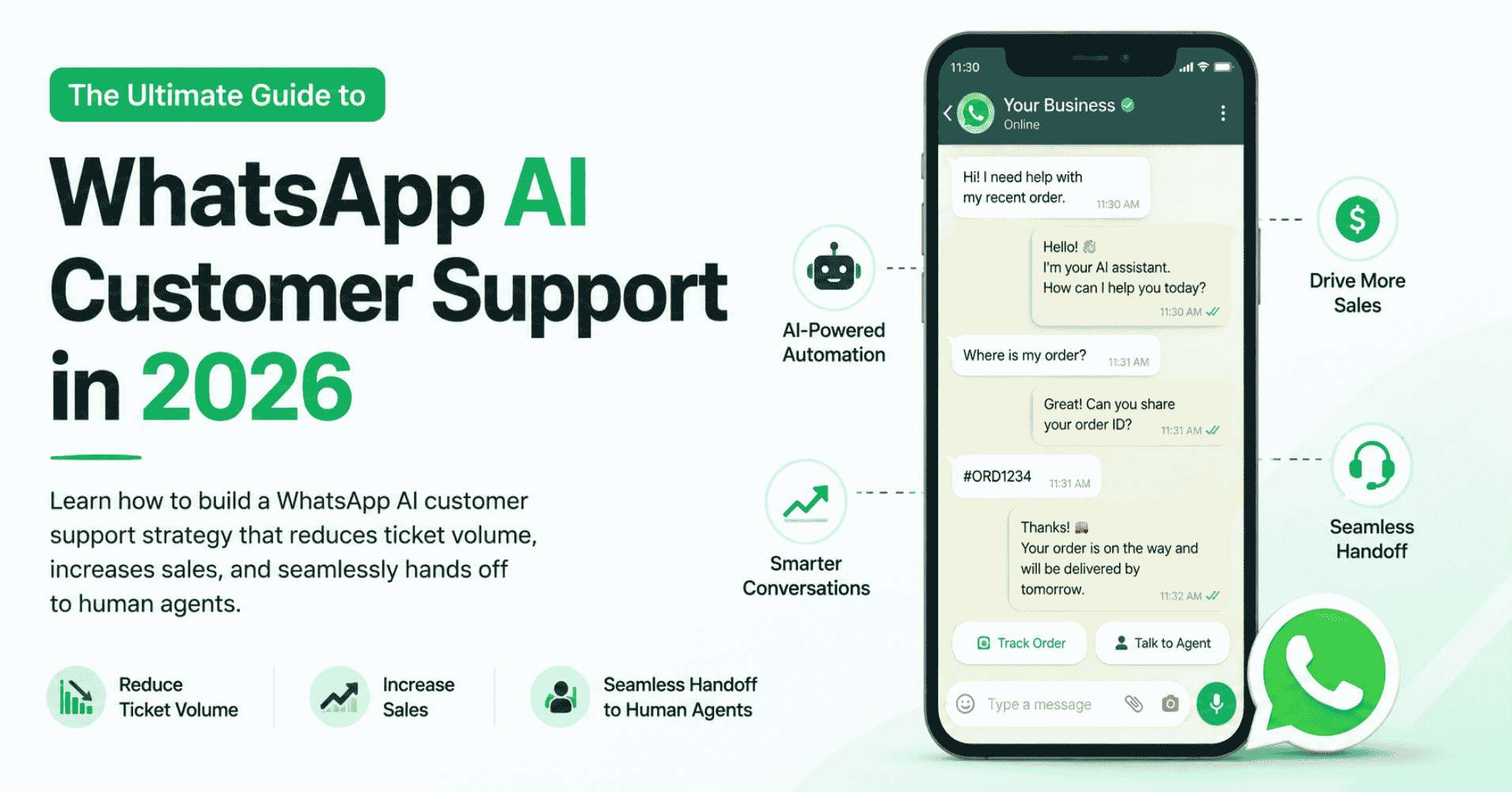
AI-powered chatbots and virtual assistants solve this problem by providing instant responses 24/7.
They can handle tasks like:
- Answering frequently asked questions
- Recommending products
- Assisting with bookings
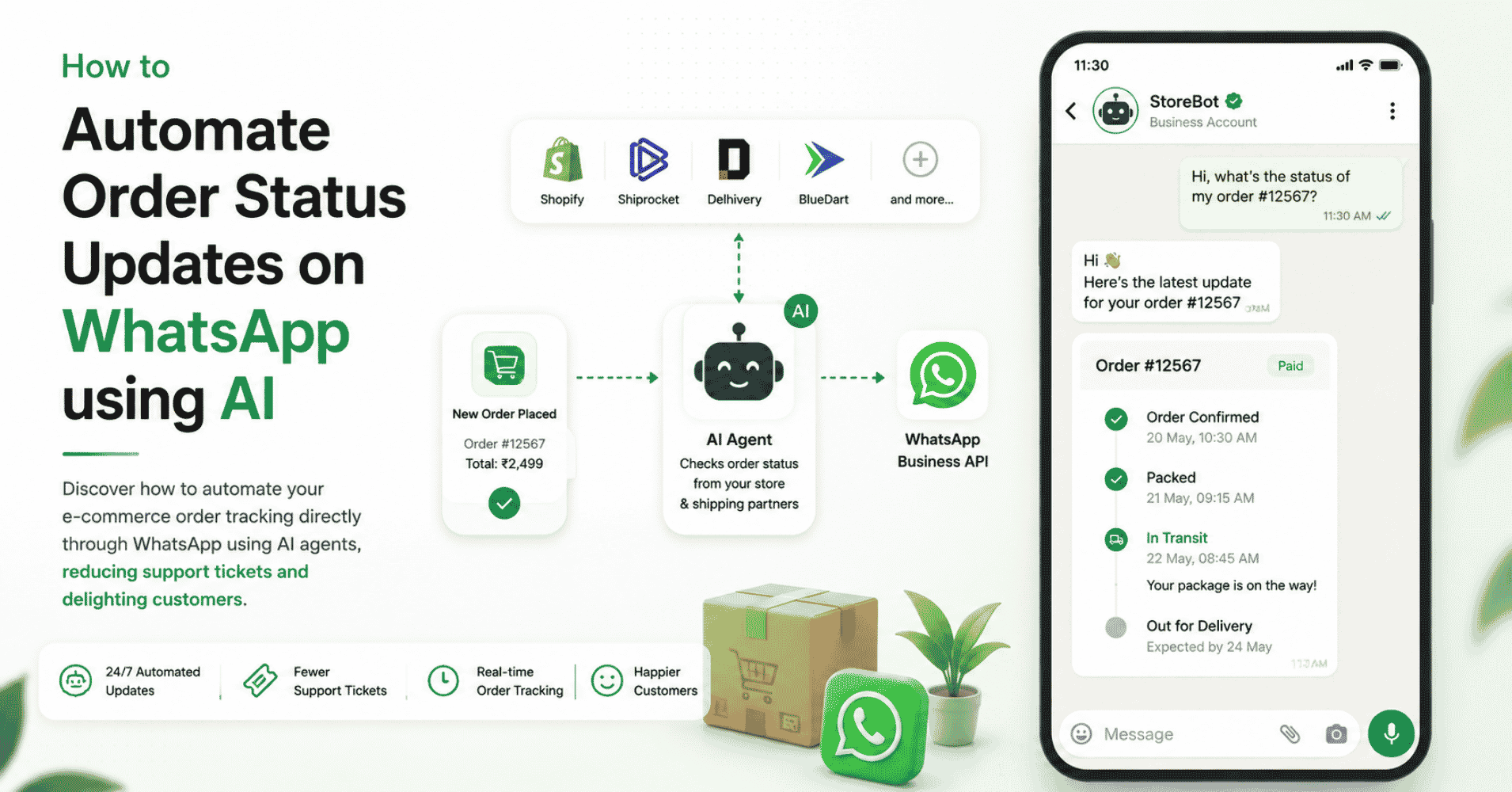
- Tracking orders
- Providing post-purchase support
This improves marketing performance in several ways:
- Faster support increases conversion rates
- Consistent messaging strengthens brand experience
- Automated follow-ups improve customer retention
The best part is that modern AI chatbots are easy to deploy.
Businesses can train them using website content, FAQs, product pages, and documentation—often without writing any code.
For example, platforms like Chatzy AI allow businesses to create intelligent AI chatbots that can answer questions, engage visitors, and automate support within minutes.
These chatbots can also integrate with email marketing tools, allowing businesses to automatically follow up with visitors after conversations.
For small businesses, this creates a scalable support system without hiring additional staff.
4. Predict Customer Behavior and Optimize Campaigns
AI is not just useful for automation—it is also extremely powerful for predictive analytics.
Predictive analytics helps businesses understand what customers are likely to do next.
With AI-powered analytics tools, businesses can:
- Identify leads most likely to convert
- Predict future sales trends
- Automatically adjust advertising campaigns
- Send targeted offers before customers churn
For example, an online store can analyze browsing and purchase data to identify customers ready to buy again and send personalized offers at the right moment.
Advertising tools such as Revealbot and Madgicx can automatically optimize ad campaigns based on performance signals, reducing wasted ad spend.
In many ways, AI acts like a built-in data scientist for your marketing team, continuously learning and improving campaign performance.
5. Enhance Social Media Marketing with AI
Managing multiple social media platforms can quickly become overwhelming.
AI tools help simplify social media marketing by automating many tasks.
AI can assist with:
Content Scheduling
AI scheduling tools analyze when your audience is most active and publish posts at peak engagement times.
Sentiment Analysis
AI can analyze comments and messages to determine how customers feel about your brand.
Automated Engagement
AI bots can respond to common questions and comments instantly.
Trend Detection
AI scans social media platforms to identify trending topics and hashtags that your brand can leverage.
Platforms like Hootsuite Insights and Buffer provide these AI-powered capabilities, helping businesses maintain an active social media presence with less effort.
Steps for Adopting AI in Marketing
Implementing AI can feel overwhelming at first, but a structured approach makes adoption easier.
Identify Your Marketing Challenges
Start by identifying the biggest marketing problems you want to solve, such as:
- Lack of time for content creation
- Slow customer support responses
- Difficulty personalizing campaigns
Focusing on one problem at a time helps ensure successful implementation.
Choose the Right AI Tools
Once you understand your challenges, research AI tools designed to solve them.
For example:
- AI chatbots for customer service automation
- Content generation tools like Jasper or Copy.ai
- Ad optimization tools like Revealbot
Testing free trials and demos can help you choose the best tools.
Start Small and Scale Gradually
Rather than implementing AI everywhere at once, begin with one high-impact solution.
Examples include:
- Adding an AI chatbot to your website
- Using AI to generate blog outlines
- Automating social media scheduling
Once you become comfortable with the technology, you can expand its usage.
Train and Monitor AI Tools
AI tools require ongoing training and monitoring.
For example:
- Upload updated FAQs and product information for chatbots
- Adjust prompts and tone for AI content tools
- Monitor marketing dashboards to track performance
This helps improve accuracy and ensures the AI reflects your brand voice.
Measure Results and Improve
Tracking results helps you understand the impact of AI on your marketing.
Key metrics include:
- Conversion rates
- Customer response times
- Content production output
- Time saved through automation
These insights allow businesses to continuously improve their marketing strategy.
Final Thoughts
AI agents are becoming a core component of modern digital infrastructure.
From recommendation systems and logistics platforms to AI chatbots and customer support automation, these intelligent systems help organizations operate more efficiently.
Understanding the different types of AI agents allows businesses to design smarter solutions and select the right technologies.
If your goal is launching an AI agent quickly for customer support or automation, Chatzy AI makes it easy to build and deploy intelligent agents in minutes—without complicated setup or coding.
For small businesses looking to scale marketing, improve customer engagement, and automate support, AI-powered platforms like Chatzy AI offer a powerful starting point.
Frequently Asked Questions About AI in Marketing
What is AI in marketing?
AI in marketing refers to the use of artificial intelligence technologies to automate tasks, analyze customer data, and improve marketing decisions. Businesses use AI for content creation, personalization, customer service automation, predictive analytics, and campaign optimization.
How can small businesses use AI for marketing?
Small businesses can use AI to automate repetitive marketing tasks and improve efficiency. Common use cases include AI chatbots for customer support, AI tools for content generation, predictive analytics for campaign optimization, and AI-driven personalization in email and social media marketing.
Are AI marketing tools expensive for small businesses?
Many modern AI marketing tools are designed specifically for startups and small businesses. Affordable AI platforms now offer automation for customer support, content generation, and analytics without requiring large teams or enterprise budgets.
How do AI chatbots help marketing?
AI chatbots improve marketing by responding instantly to customer questions, recommending products, and guiding visitors through the buying process. Faster responses often increase engagement and conversion rates.
How can businesses create AI chatbots for their website?
Businesses can create AI chatbots by using AI chatbot builder platforms that train bots using website content, FAQs, and knowledge bases. Platforms like Chatzy AI allow businesses to build AI agents for customer support and automation without coding.